


A unique coffee whose taste is created thanks to an innovative co-fermentation process
Why anaerobic coffee?
The coffee industry is constantly evolving, with producers looking for new ways to improve quality and flavor diversity. Many innovative coffee processing methods have been inspired by techniques used in other food industries. Here are a few examples of these methods that have been successfully transferred to the coffee industry:
Lactic fermentation , where they are fermented in the presence of specific bacteria that convert the sugars in the coffee into lactic acid.
Infused coffee is an innovative way to enrich traditional coffee flavor profiles. With the ability to experiment with different ingredients and techniques, infused coffee offers a wide range of flavors and aromas that can be tailored to individual preferences. In our offer , Indonesia Silalaji Infused Jasmine coffee is a representative of this processing.
Anaerobic fermentation allows for a wide range of flavors not common in traditionally processed coffee. This process can produce coffee with fruity, floral, spicy, or even fermented notes, creating a unique flavor profile. Fans of this processing can try El Salvador Miramar coffee from our offer, which is the only representative of this type in our assortment.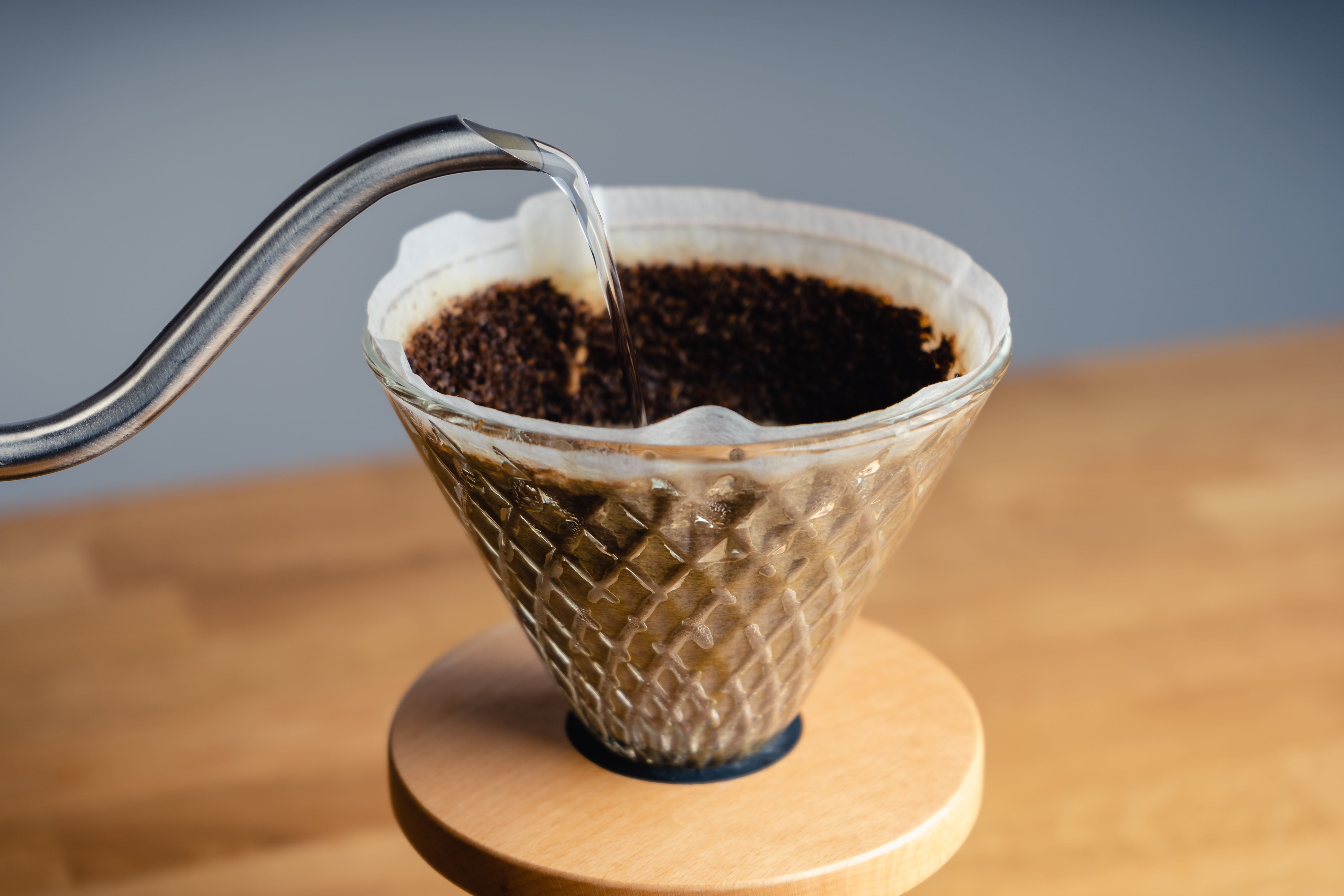
Anaerobic coffee processing
Anaerobic coffee fermentation is a relatively new method that is gaining popularity, especially among specialty coffee producers. The process involves fermenting coffee berries in an oxygen-free environment. Key steps include:
Harvesting and sorting: Ripe coffee beans are harvested and carefully sorted to ensure high quality raw materials.
Fermentation: Coffee beans are placed in closed containers (often steel tanks) and sealed to exclude oxygen. The fermentation process can take anywhere from a few hours to a few days, depending on the desired result.
Drying: After fermentation, the cherries are dried, either in the sun or in mechanical dryers, until they reach optimal moisture.
The result is coffee with complex and often unusual flavor profiles that can include fruity, floral, or spicy notes. Anaerobic fermentation allows for better control over microbial activity and fermentation conditions, leading to a more precise and predictable result.
The transfer of techniques from other food sectors to the coffee industry demonstrates a constant drive to innovate and improve the quality and variety of coffee flavors. These methods bring new dimensions to the world of coffee, allowing producers to experiment and create unique flavor experiences for coffee lovers around the world.